
Congratulations to Professor Subhankar Banerjee, whose classes “Introduction to Art and Ecology” and “Biodiversity, Creative Practice, Justice” explored nature journaling as both a visual and literary practice, culminating in a showcase last week. Banerjee, Art professor and founder and director of the Center for Environmental Arts & Humanities, described the motivation behind the project as creating “to have an alternative outlet to engage, not only a class project, but for their own life, and their own journey of learning at UNM,” particularly in the context of students living in “the digital space.” He further says, “Teens, as well as young adults, are spending increasingly more time on the internet. If indeed this little exercise has helped them to engage with the physical, biological world and their daily experience, and in turn they have expressed that so powerfully and beautifully, meaningfully, critically, on their simple nature journal pages, it’s encouraging in this very moment when a lot of teachers and a lot of students are struggling whether it’s with attention span or so on.” These exercises had a positive impact on Banerjee’s students. UNM junior Amber Lucero said, “I did one. I did one of them on a trip to the Bosque, and what I was hearing while I was there was a windy day. I wrote about the reeds hitting against each other and then the sound of dead leaves as I walked around. Taking the time to really write down or think about what you’re actually hearing and experiencing has value in the finished product.”
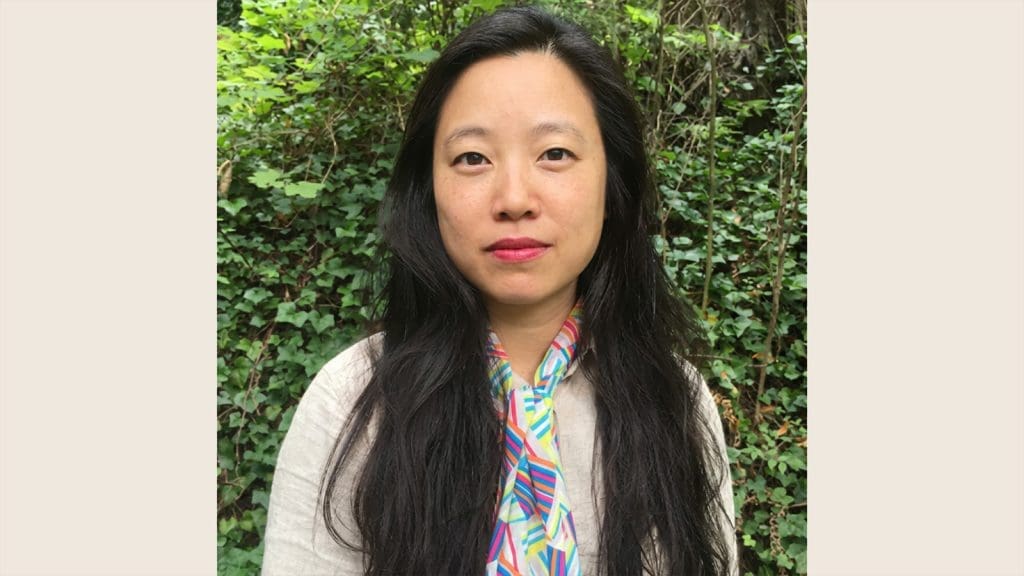
Banerjee aims to combine nature and culture. Being a photographer, writer, curator, and environmental humanities scholar. His creative, curatorial, and scholarly efforts focus on biodiversity and climate crises, and on multispecies kinship, caretaking, and justice. Since the turn of the century, he has worked closely with Indigenous Gwich’in and Iñupiat elders (who are among his most important teachers), and with scientists and environmental organizations, to defend significant biological nurseries from oil and gas development in
Arctic Alaska, including the Arctic National Wildlife Refuge, the Teshekpuk Lake wetland, and the Beaufort and Chukchi seas. His current research also includes the Chihuahuan desert of the US-Mexico borderlands, the Sundarban mangrove forest of the Bangladesh-India borderlands, and the global history of biodiversity and shorebirds.
With this combination of nature and culture in mind, he said, “How do we revitalize nature journaling, which has a deep centuries-old history, into the current moment and make it relevant for university-level education, so it becomes pedagogy at a university, where we are bringing in these cultural elements in nature.”
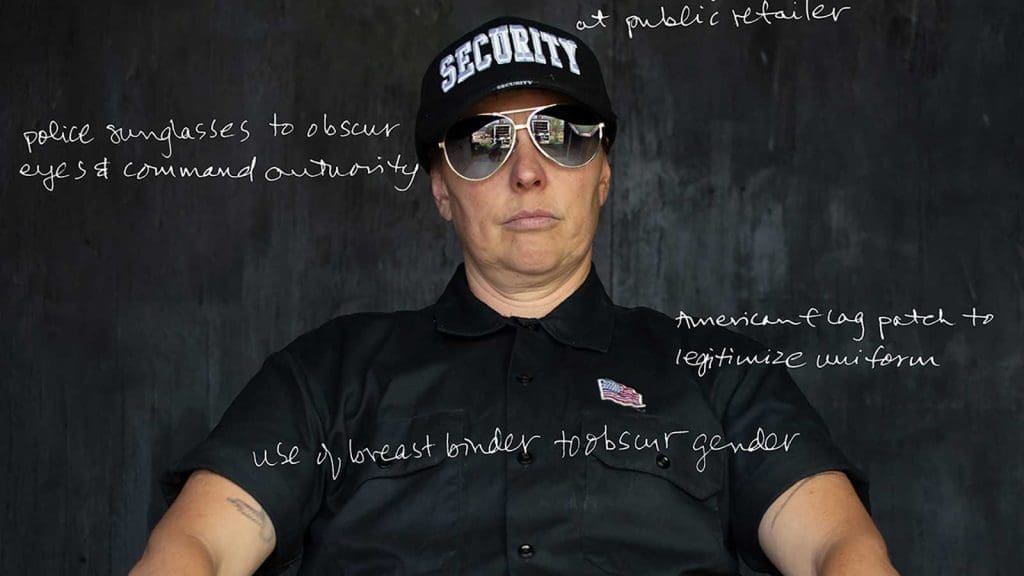
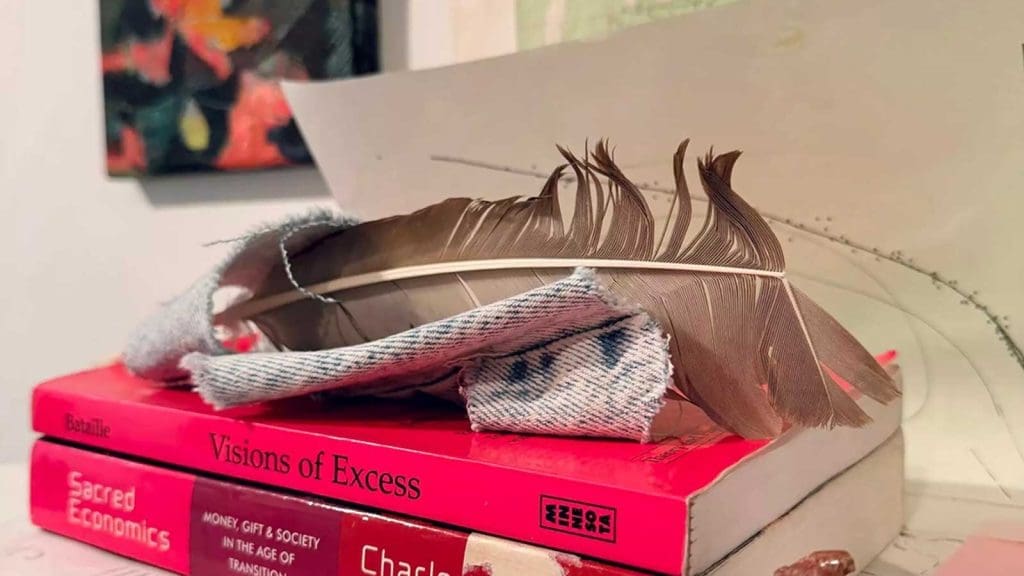
Nature Journaling as Engaged Practices exhibition was cocurated by Subhankar Banerjee and Ryan Henel of the Center for Environmental Arts & Humanities.
ADDITIONAL RESOURCES
READ MORE at https://www.dailylobo.com/article/2026/04/exhibit-showcases-students-expressions-of-nature-culture